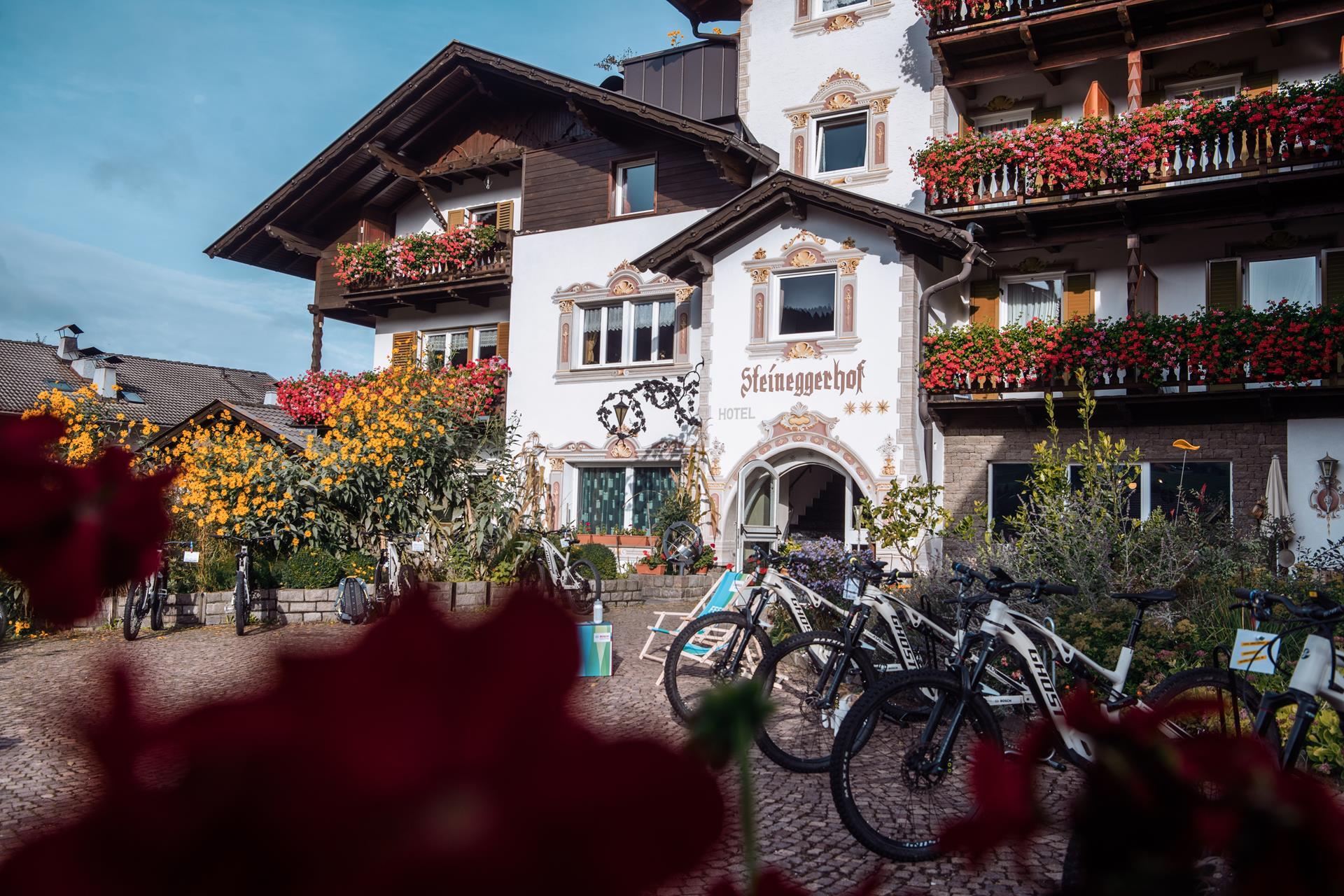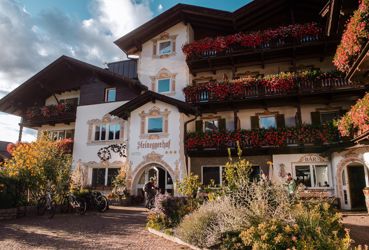

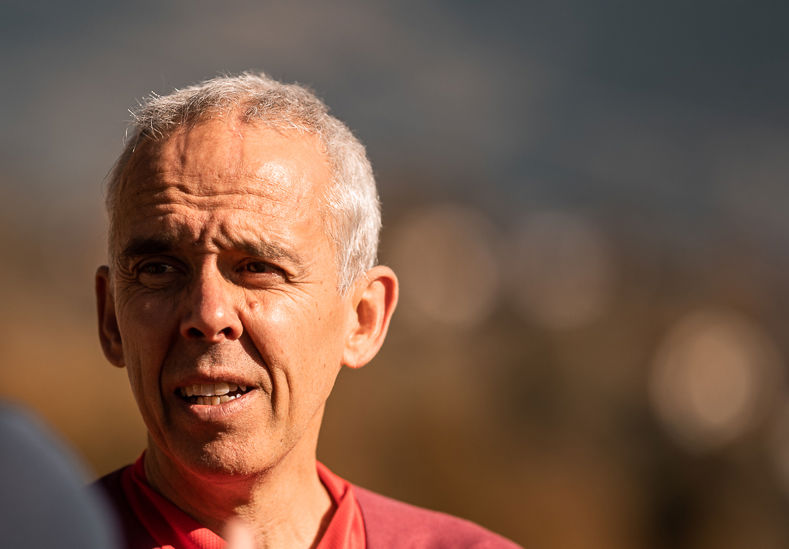
When you invite Kurt Resch, president of the South Tyrolean BikeHotels, owner of the Bio- und BikeHotel Steineggerhof, guiding legend and chef, for a chat, he really gets going. No phone call lasts less than an hour, and no call goes by without talking about trails, cuisine and the Dolomites. In this interview, you’ll get to know the South Tyrolean bike pioneer and bike expert on a very personal level.
Kurt, you’re considered a BikeHotel pioneer, and in the scene almost everyone knows you and the Steineggerhof. But you’re no longer active as a bike guide. How come?
When we started offering guided tours in 1995, I was both chef and bike guide. In the evenings, I often found myself in the kitchen still wearing my biking clothes because I had no time to change. Back then I was young, and the long tours plus the evening work didn’t bother me. In 2009, we hired a chef and I took on the role of bike guide full-time. In 2018, two important things happened: my daughter Natalie wanted to cook with us, but only if I came back into the kitchen as head chef. I couldn’t say no—after all, what could be better than your own children wanting to work in the family business?
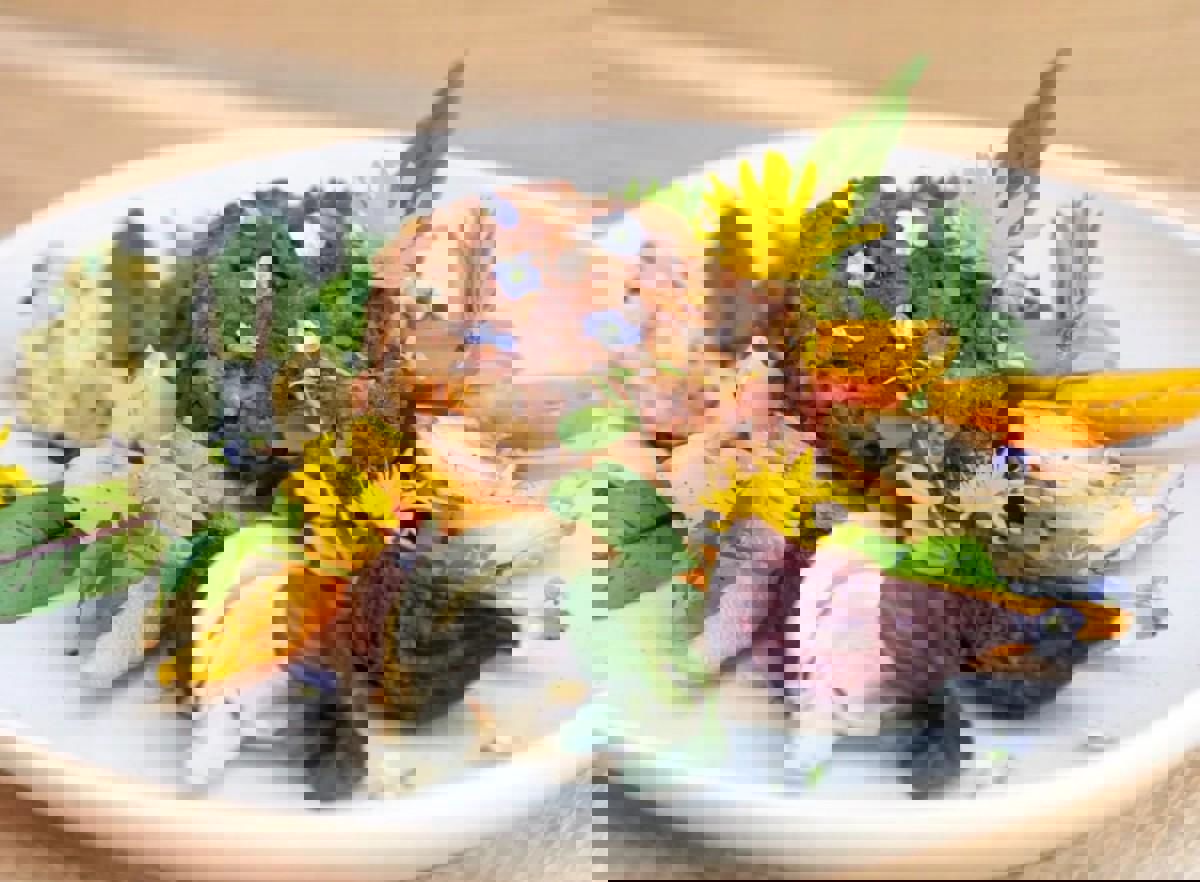
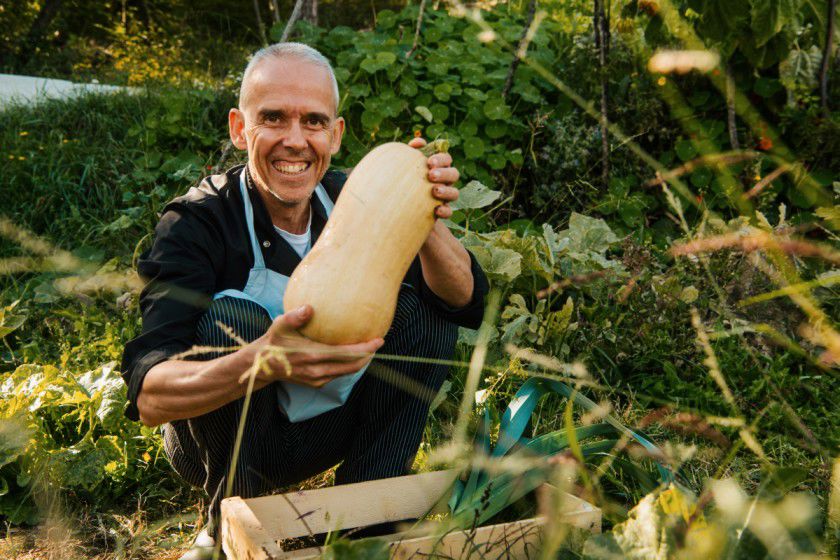
A little later, my wife Sonja and I flew to Mexico, and there I witnessed for the first time how polluted our world has become. It affected me so deeply that I withdrew to the hotel garden and started thinking about how we could run our business as close to nature as possible. This triggered a chain reaction that wasn’t planned and simply evolved on its own: we switched our hotel to a vegetarian cuisine—animal products are now only available as an option for the main course and at breakfast—we became members of the Biohotels, created a CO₂ balance from which we learned a great deal, then added a common good economy balance, eventually we were invited to give talks, since 2021 we’ve been cooking vegan, we’ve published two vegan cookbooks, we offer vegan cooking courses in hotels, schools, or here at our place, awards followed, school classes and associations come to us because we’ve become a model hotel. I’m especially pleased that employees also want to work with us because they are vegan or appreciate our philosophy. And that’s how I ended up back in the kitchen. By the way, Natalie works on my wife’s organic farm and supplies our meat—while our daughter Lisa works at the hotel and supports us greatly, which of course makes me very proud!
Do you miss biking? Who took over your role as a bike guide?
Yes, of course I miss biking, especially when I do get out for a ride again. I’ve gone from over 120 guided bike tours a year to barely 10. This year doesn’t look too bad, though. You also have to understand that being a chef is very demanding. I still work seven days a week, and at sixty you simply need more time to recover—and often you just don’t feel like heading out for a quick ride in the afternoon. In the kitchen, I’m just as determined, innovative, and ambitious as I was on the bike: just as I used to focus on the trail, I now focus on a dish. When you love what you do, it doesn’t matter what it is—the satisfaction at the end of the day is what counts.
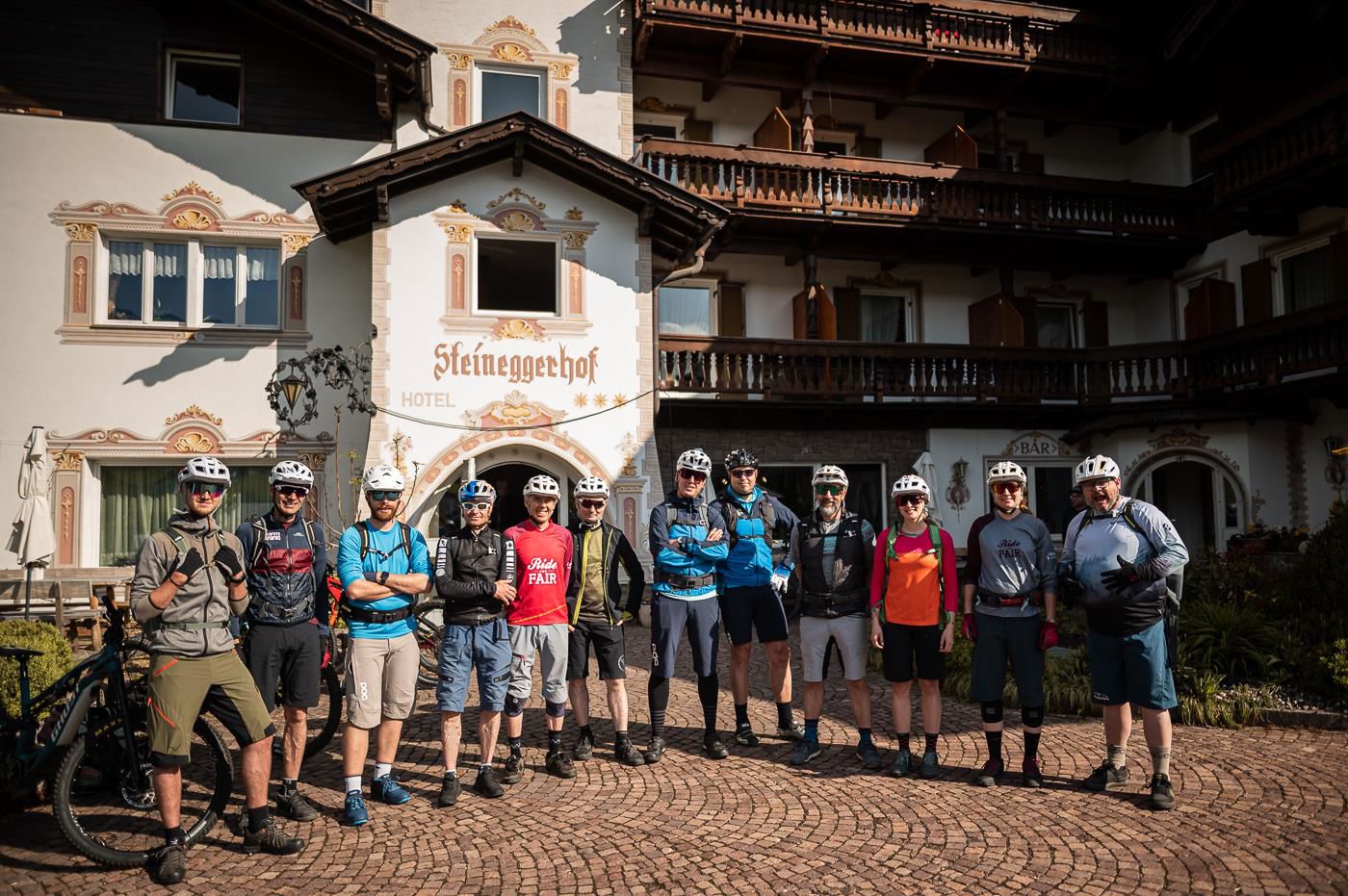
My role as a bike guide has been taken over by very capable people. Patrick has been with us for seven years and Hansjörg for five. They complement each other perfectly, and guests come back because of them as well. They’ve taken over my part flawlessly—I don’t have to worry about anything and I know our guests are in good hands.
What do you think makes the Steineggerhof so special, and what sets you apart from other BikeHotels?
I don’t know if we’re really special. I’ve always wanted to be different from the others—back then, and still today, in our choice of trails: very wild and technical. That attracted technically skilled riders. It’s similar in the kitchen today: I don’t want to cook what others cook. That would be boring!
What sets us apart from most other BikeHotels is that we have two bike guides in-house—and that’s very important for guests. The bike rental at the hotel is also very important and widely used. We’re also a very sustainable organic hotel with 100% organic products, and not many places cook vegan. Few bike hotels offer so many trails and such a view of the Dolomites.
At BikeHotels South Tyrol, the rule is: the host is also a bike guide. Why is that, and how does it work for you now that you don’t ride with your guests anymore?
When we founded BikeHotels South Tyrol in 1998, we were still young and freer—back then my parents were running the business. None of us were as tied up in operations as we are today. Running a hotel has become more complex and demanding. If I spend the whole day out biking, someone has to do my work—and that would be difficult. I’m not just a chef, but also a handyman, gardener, purchaser, problem solver, and much more.
My guides do an excellent job. You also have to be able to delegate—the boss can’t do everything!
You were one of the first to fully embrace e-bikes. Do you feel vindicated today?
My first contact with an e-bike was in 2009 at Thömus in Switzerland, when the Stromer was introduced. Back then I thought: once e-bikes become trail-capable, this will be huge. Years later, Bosch developed the mid-drive motor, making e-bikes suitable for trails. Thanks to the right connections, we soon had e-bikes in our rental fleet. At first, though, no one wanted to ride them—guests were embarrassed. Luckily, that’s changed: e-bikes appeal to a wide audience, and that’s a good thing. What I find less positive is the trend toward ever more powerful motors. This arms race will cause problems sooner or later.
As the saying goes: first you’re laughed at, then criticized, and finally celebrated. That’s exactly how it felt—so yes, it’s a confirmation and often a real sense of satisfaction.
You don’t get to ride much anymore: if you do have time off, which tour would you choose and why?
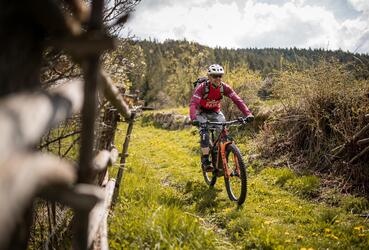
A few days ago I rode my home loop to the Niger Pass and back via the Carezza Trail. I like it because I can ride my local trails, some of which are less known. The panorama of the Dolomites is spectacular, I also really like the Carezza Trail with its pumpline, and then it’s back to Steinegg via trails. In the past, this was a full-day mountain bike tour—now with the e-bike, I need about three hours for the 42 km and roughly 1,700 meters of elevation gain.
Finally, a quick round of questions:
- Espresso or cappuccino? – Cappuccino
- Uphill flow or downhill action? – With e-biking, they belong together.
- Cooking spoon or MTB handlebar? – Difficult… at the moment the cooking spoon, because I still have 1,000 ideas for dishes. Biking helps me switch off.
- Cake break or keep going? – Cake break, definitely!
- Technical singletrails or fast flowtrails? – Natural trails S3.
Recommended link:
Here you’ll find offers and everything about biking at the Steineggerhof.
![Kurt Resch[2]](/media/12491844-3da4-47f9-bd58-864b2f0edb84/20221006092526/Kurt_Resch[2].jpg)